Try One Oregano Leaf a Day and See the Surprising Benefits It May Offer
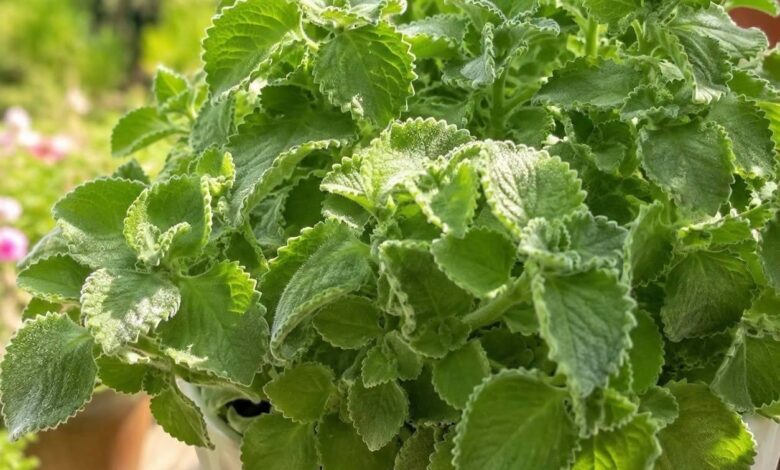
The story behind the headline Try One Oregano Leaf a Day and See the Surprising Benefits It May Offer begins with the scene described in the linked report. Rather than stopping at the Facebook teaser, this account follows the source narrative and keeps its central people, setting, and sequence intact.
What Happens When You Eat Just One Oregano Leaf Every Day? Oregano is one of those herbs that can easily be overlooked. You may recognize it as the fragrant green herb sprinkled over pizza, pasta, roasted vegetables, soups, and Mediterranean dishes. But beyond its distinctive aroma and flavor, oregano contains a variety of naturally occurring plant compounds that have attracted the attention of nutrition researchers.
This has led many people to wonder whether adding a small amount of oregano to the daily diet could offer meaningful health benefits. You may even have heard the claim that eating one oregano leaf every day can protect you from illness or eliminate certain health problems. The reality is a little more nuanced. There is no strong scientific evidence showing that exactly one oregano leaf per day can prevent or cure specific diseases.
However, oregano is a flavorful herb that contains antioxidants and other plant compounds, and using it regularly can be a simple way to add more variety to a healthy diet. So, what could happen when oregano becomes part of your daily routine? Let's take a closer look. What Makes Oregano Special?
Oregano comes from plants in the Origanum genus and is closely associated with Mediterranean cuisine. Its strong aroma comes partly from naturally occurring compounds such as carvacrol and thymol. These compounds have been studied extensively in laboratory research because of their antioxidant and antimicrobial properties. Oregano also contains other plant compounds, along with small amounts of vitamins and minerals.
However, there is an important distinction between laboratory research and human health outcomes. A compound showing an interesting effect in a test tube does not automatically mean that eating a small amount of the whole herb will produce the same effect in the human body. This is why oregano is best viewed as a nutritious culinary herb rather than a miracle medicine. Oregano Contains Antioxidant Compounds One of the most interesting features of oregano is its antioxidant content.
Antioxidants are substances that help protect cells from oxidative stress. Your body naturally produces molecules called free radicals, and oxidative stress occurs when there is an imbalance between free radicals and the body's antioxidant defenses. Oregano contains several compounds with antioxidant activity. Adding herbs and spices such as oregano to meals can therefore contribute to the overall variety of plant compounds in your diet.
But remember that no single herb can replace a healthy eating pattern. Vegetables, fruits, beans, whole grains, nuts, seeds, and other plant foods provide a much broader range of nutrients and protective compounds. It Can Add Flavor Without Many Calories One of the simplest benefits of oregano is also one of the most practical. Oregano allows you to add a lot of flavor to food without adding significant amounts of calories, sugar, or fat.
This can be particularly useful if you're trying to make healthier meals more enjoyable. Instead of relying heavily on salty sauces, sugary dressings, or highly processed seasonings, you can use herbs such as oregano to create more complex flavors. A little oregano can transform: Roasted vegetables Eggs Soups Beans Chicken Fish Pasta Salads Tomato-based dishes Healthy food doesn't have to be bland. Sometimes a simple herb is enough to make nutritious ingredients much more appealing.
Oregano May Support a Healthy Diet Oregano itself is not a substitute for vegetables, protein, whole grains, or other nutrient-rich foods. However, herbs can encourage people to cook more meals at home and experiment with a wider range of whole foods. Imagine a meal consisting of roasted vegetables, beans, whole grains, and lean protein. Adding oregano can make the meal more flavorful without requiring large amounts of salt or heavy sauces.
In this way, the benefit of oregano may extend beyond the herb itself. It can become part of a broader pattern of eating that emphasizes minimally processed ingredients. Researchers Are Interested in Its Antimicrobial Properties Oregano's compounds, particularly carvacrol and thymol, have demonstrated antimicrobial activity in laboratory studies. This is one reason oregano oil and oregano extracts have attracted so much scientific interest.
However, this does not mean that eating an oregano leaf acts as an antibiotic. Laboratory antimicrobial activity is not the same thing as treating an infection inside the human body. If you have a bacterial or other infection, oregano should not be used as a replacement for appropriate medical treatment. The research is interesting, but it should be interpreted carefully.
Oregano Has a Long History of Traditional Use Oregano has been used traditionally in different cultures for generations. Herbs were historically valued not only for flavor but also for their aromatic properties and traditional medicinal uses.