Dolly Parton Never Had Children of Her Own But the Way She Loved Miley Cyrus and Millions of Kids Told a Different Story
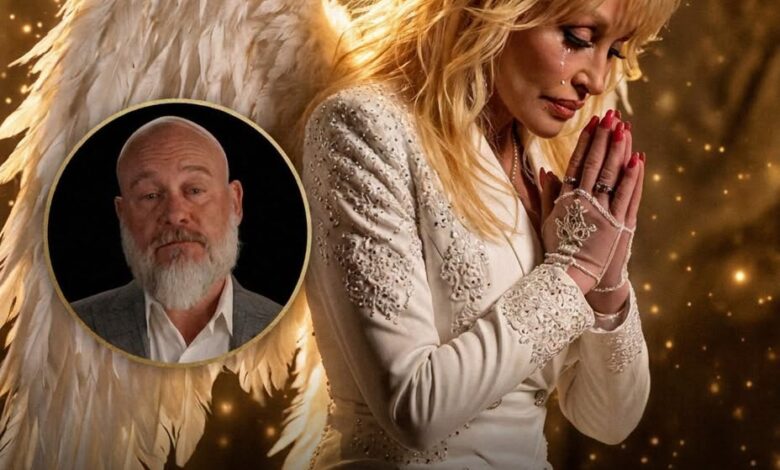
Dolly Parton once imagined the children she and Carl Dean might have had. They talked about names and wondered whether a daughter would be tall like him or petite like her. Dolly remembered that they would have called a girl Carla. Their marriage lasted nearly 59 years, but parenthood never became part of it.
The absence was not always easy. Dolly experienced serious reproductive health problems, including endometriosis, and underwent a partial hysterectomy in 1985. The procedure ended her ability to conceive naturally. She later described the emotional pain of that period and the work required to reach acceptance.
With time, she began to understand her life through a different sense of purpose. Dolly believed she would have thrown herself completely into motherhood. Had she raised children of her own, the scale of her career and charitable work might have been very different. She did not say that one path was superior. She recognized that the path she received created room to care for children in other ways.
Her marriage to Carl remained the private center of her life. They married on May 30, 1966, after meeting when Dolly was 18 and Carl was 21. He largely avoided the spotlight while she became one of the world’s most recognizable entertainers. They built a relationship that did not need children or constant public display to endure.
The maternal side of Dolly became especially visible through Miley Cyrus. Dolly knew Miley from infancy because of her friendship with Billy Ray Cyrus and became her godmother after Miley was born in 1992. The title did not depend on an elaborate ceremony. It grew into a genuine family relationship.
As Miley moved from childhood television into an international music career, Dolly remained close. She offered mentorship without trying to erase Miley’s individuality. She understood the demands of performance, image and public criticism, and she could advise a younger artist from experience. Dolly proudly called Miley “like one of my own.”
Their appearances together showed affection that was not manufactured for cameras. They sang, joked and respected one another as performers from different generations. Miley could look to Dolly as both a family elder and an example of how to build a durable career while remaining unmistakably herself.
Miley was only one part of the extended family Dolly created. Nieces, nephews, musicians and young artists felt her support. Millions of children also experienced her generosity through the Imagination Library, which sent books directly to homes. The program turned literacy into a personal gift and allowed Dolly to encourage children she would never meet.
Speculative images of what Dolly’s biological children or grandchildren might have looked like cannot capture that lived legacy. They imagine a family that never existed while overlooking the one she actually formed. Biology was not the only channel for her affection. She became a godmother, mentor, aunt and advocate on a scale few people achieve.
Dolly did not erase the sorrow of being unable to conceive. She placed it beside everything her circumstances allowed her to give. Her honesty made space for both truths: she once dreamed of a daughter named Carla, and she eventually found meaning in a life without children of her own.
After her death, the way she loved Miley and invested in children offered the clearest answer to questions about motherhood. Dolly never became a biological mother or grandmother, but maternal love shaped her relationships and philanthropy. The family she built extended beyond one household and proved that care can be real, disciplined and lasting without following the path originally imagined.
Her life made that expanded meaning of family visible to millions.