What Eating Beets Can Do for Your Body According to Nutrition Research
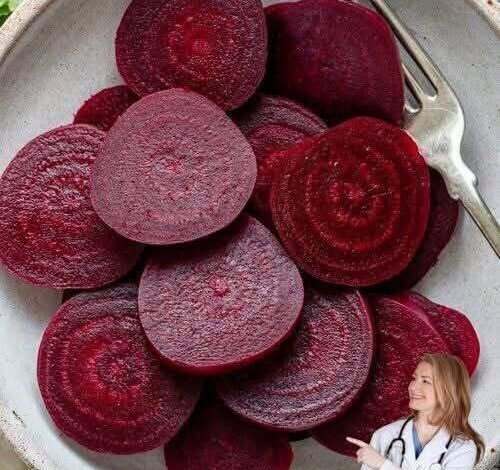
Beets are easy to recognize by their deep red color, but their nutritional profile is more interesting than their appearance. The root vegetable provides fiber, folate, manganese, potassium, and naturally occurring compounds called betalains. It also contains nitrate, which the body can convert into nitric oxide. That process is the reason beets are often discussed in relation to circulation, exercise, and blood pressure.
Nitric oxide helps blood vessels relax and widen. When blood moves through vessels with less resistance, blood pressure may decrease temporarily. Studies of beetroot juice and nitrate-rich foods have found modest reductions in some people, although responses vary. Beets are not a replacement for prescribed blood-pressure medicine, and anyone being treated for a cardiovascular condition should discuss major dietary changes with a clinician.
Improved blood flow can also affect exercise. Athletes sometimes drink beetroot juice before endurance activity because dietary nitrate may reduce the oxygen cost of steady effort. In practical terms, a person may feel able to maintain a pace a little longer. The benefit is not guaranteed, and it does not substitute for training, sleep, hydration, or adequate food, but it explains beetroot’s popularity in sports nutrition.
A serving of beets contributes dietary fiber, which supports regular bowel movements and feeds beneficial gut microbes. Whole roasted or steamed beets provide more fiber than strained juice. People who want digestive benefits should therefore consider eating the vegetable itself rather than relying only on concentrated drinks.
Folate is another important nutrient found in beets. The body uses it in cell division and the production of genetic material. Adequate folate is especially important before and during pregnancy, though food alone may not meet every person’s needs. National guidance commonly recommends folic acid supplementation for those who could become pregnant, according to advice from a healthcare professional.
Beets’ pigments contain antioxidant and anti-inflammatory compounds. Laboratory research is promising, but claims that beets “detox” the body or cure disease go beyond current evidence. The liver and kidneys already perform detoxification. A balanced diet rich in many vegetables, fruits, legumes, whole grains, and healthy proteins matters more than any single so-called superfood.
Eating beets can cause urine or stool to turn pink or red, a harmless effect known as beeturia. The color may be surprising if someone does not expect it. However, blood in urine or stool can also signal a medical problem. Anyone unsure about the cause, especially if discoloration persists or comes with pain or other symptoms, should seek medical advice.
People prone to calcium oxalate kidney stones may need to moderate high-oxalate foods, including beets, depending on their medical guidance. Beet juice can also be concentrated in sugar and nitrate compared with a typical serving of whole vegetables. Individuals with kidney disease, diabetes, low blood pressure, or medication concerns should ask a qualified professional what amount is appropriate.
Preparation changes the experience but does not require complexity. Beets can be roasted until tender, grated raw into salads, blended into soups, or paired with yogurt, citrus, nuts, and herbs. Canned beets are convenient, though checking sodium and added sugar on the label is useful. The green tops are edible as well and can be cooked similarly to chard.
A practical approach is to start with a small serving and notice how the body responds. Regularly including beets among a variety of vegetables may support overall dietary quality. Concentrated beetroot shots are optional, not essential, and more is not automatically better.
The strongest conclusion is pleasantly ordinary: beets are nutritious food, not magic medicine. Their nitrate, fiber, folate, minerals, and pigments may offer useful benefits as part of a balanced pattern. Enjoying them consistently, in portions that fit individual health needs, is more sensible than chasing dramatic promises.