Kristy McNichol’s life and struggles after ‘Family’ ended
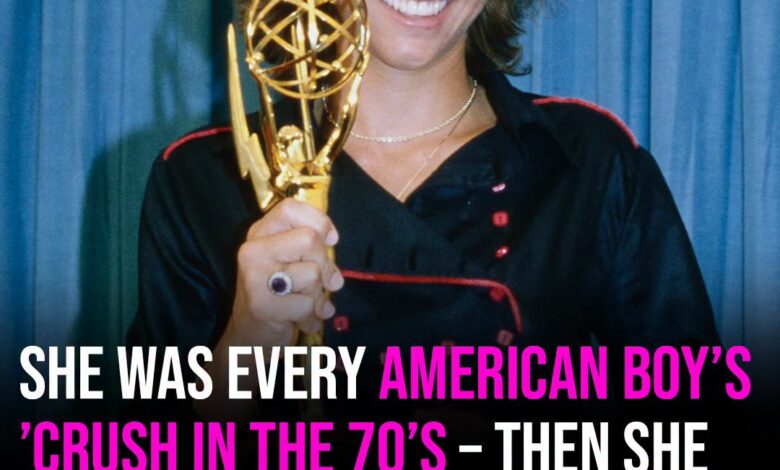
Kristy McNichol became one of television’s most recognizable young performers in the 1970s, but the success that made her famous also placed enormous pressure on a child who was still learning who she was. Audiences knew her as Buddy Lawrence on the drama Family, a role that earned critical praise and two Emmy Awards. Behind the confidence viewers saw on screen, McNichol was carrying responsibilities and private struggles that would shape the rest of her life.
She began working at a young age, appearing in commercials with her brother Jimmy before moving into television roles. Family turned her into a major star and established her as a talented dramatic actor rather than simply another child performer. Her natural style made Buddy feel believable, and viewers connected with the character’s humor, vulnerability, and complicated relationships. The attention brought opportunity, but it also made privacy increasingly difficult.
As McNichol moved into adulthood, Hollywood expected her career to continue without interruption. She appeared in films and television projects, recorded music with her brother, and became a regular presence in magazines. Publicity often focused on whom she was supposedly dating, linking her with young male celebrities. Much of that image was created to fit the expectations surrounding a popular actress at the time.
Privately, McNichol was attracted to women and did not feel able to discuss that truth openly. The entertainment industry was far less accepting, and coming out could threaten a performer’s career. Keeping an essential part of her life hidden added another layer of stress to an already demanding schedule. She later found a long-term partner in Martie Allen, but their relationship remained outside public discussion for many years.
Her mental health began to deteriorate under the combined weight of work, scrutiny, and secrecy. During the production of a film in France, McNichol experienced serious emotional difficulty and struggled to continue. Reports at the time sometimes described the situation as unprofessional behavior, but the reality was more complex. She was eventually diagnosed with bipolar disorder, giving a name to the intense changes in mood, anxiety, insomnia, and exhaustion she had been experiencing.
Understanding the diagnosis did not instantly solve everything, but it allowed her to seek appropriate treatment and reconsider the pace of her life. McNichol continued acting for a period, including a role on Empty Nest, yet the industry no longer held the same appeal. The work that had defined her childhood had also contributed to a life in which other people constantly decided how she should look, behave, and present herself.
In 2001, she announced her retirement from acting. To some fans, the decision looked like a mysterious disappearance, but for McNichol it was an act of self-preservation. Walking away gave her control over her schedule and health. She focused on quieter interests, including travel, tennis, yoga, dogs, and teaching acting. Life outside Hollywood offered something fame rarely had: room to exist without constant performance.
McNichol publicly came out as a lesbian in 2012 and confirmed her long relationship with Allen. She did not make the announcement to revive her career or attract headlines. Her motivation was to help young people who felt isolated or bullied because of their sexuality. By sharing a truth she had once been pressured to hide, she hoped to show that a happy and authentic life was possible.
Her decision also changed how many fans understood the difficulties she had faced. The dates promoted in magazines, the abrupt breaks from work, and the desire for privacy appeared in a different light. McNichol had been navigating mental illness and an industry that expected her to conceal her identity. Surviving those pressures required choices that outsiders sometimes misinterpreted.
Kristy McNichol’s life after Family is not simply a story about a star who left Hollywood. It is about a woman who recognized that continued fame was costing too much and chose health, honesty, and stability instead. Her performances remain part of television history, but her later decisions carry their own significance. By stepping away, seeking treatment, and eventually living openly with the woman she loved, McNichol built the life that childhood stardom had never allowed her to have.